
Leading Storm Restoration Tools To Support Rapid Damage Recovery
Equip yourself with industry-leading tools designed to streamline the storm damage repair process.
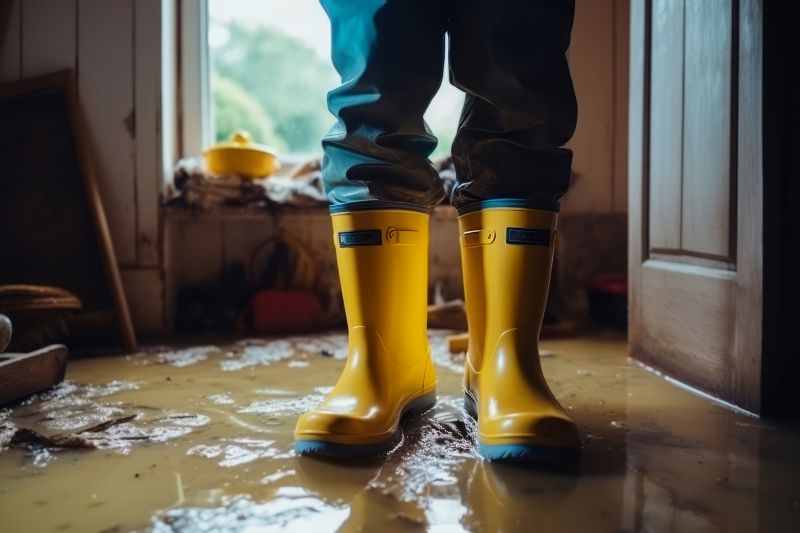 Storm restoration projects often require a comprehensive selection of products designed to repair, reinforce, and protect properties against severe weather conditions. From durable roofing materials to reinforced siding, the right products can help restore safety and stability after a storm. These products are engineered to withstand high winds, heavy rain, hail, and other elements that commonly accompany storm events. Choosing appropriate restoration products involves understanding the specific needs of a property, the severity of storm exposure, and the desired longevity of repairs.
Top Overall Option
Heavy-Duty Weatherproofing Sealant
A versatile, high-performance sealant designed to provide a reliable barrier against water intrusion, wind infiltration, and weather-related wear. Suitable for sealing gaps around roofing, siding, windows, and doors, this product offers durability and flexibility to accommodate structural movements. Its ease of application and compatibility with various materials make it a popular choice for comprehensive storm restoration efforts.
Types of Products For Storm Restorations
Roofing Shingles and Panels
Various durable roofing materials designed to replace or reinforce damaged roofs, including asphalt, metal, and synthetic options.
Storm-Resistant Siding
Reinforced siding materials that resist impact, wind, and water penetration, ideal for restoring exterior walls.
Waterproof Flashing and Barriers
Materials used to seal joints and prevent water intrusion around roof penetrations, windows, and doors.
Impact-Resistant Windows
Windows designed to withstand hail and debris impact, reducing the risk of breakage during storms.
Heavy-Duty Gutters and Downspouts
Robust drainage systems that direct water away from foundations and vulnerable areas.
Storm-Ready Doors
Reinforced exterior doors that provide enhanced security and weather resistance.
Structural Reinforcement Kits
Components such as braces and anchors to strengthen existing structures against high winds.
Flood Barriers and Sandbags
Temporary or permanent barriers designed to prevent floodwaters from entering buildings.
Hail-Resistant Roofing Materials
Specialized roofing options engineered to minimize damage from hail impacts.
Emergency Leak Repair Kits
Quick-application solutions for sealing leaks and minor damages until permanent repairs are made.
Insulation and Weather Barriers
Materials that improve energy efficiency and provide additional protection from moisture and wind.
Power Generators and Backup Systems
Equipment to maintain essential functions during power outages caused by storms.
Debris Removal Tools
Heavy-duty tools and equipment to clear storm debris efficiently.
Roof Ventilation Products
Vents and fans that improve airflow and reduce moisture buildup after storm damage.
Sealants and Waterproof Coatings
Products that provide additional sealing and water resistance for various surfaces.
Popular Choices
Widely used for their ability to withstand hail and debris impact, enhancing exterior protection.
Commonly selected for their durability and resistance to storm damage.
Popular for effective water management during heavy rains.
Chosen for their impact resistance and weather durability.
Frequently used in flood-prone areas to prevent water intrusion.
Selected to improve security and weather resistance for entry points.
Commonly applied to seal gaps and cracks in damaged structures.
Popular for minimizing roof damage from hail storms.
Valued for quick response during storm-related leaks.
Used to strengthen existing frameworks against high winds.
Applied to vulnerable areas to prevent water intrusion.
Chosen for their ability to withstand storm debris impacts.
Essential for clearing storm debris efficiently.
Popular for reducing moisture buildup after storm damage.
Often selected to ensure power during outages.
Used for sealing and protecting repaired surfaces.
Commonly installed to improve airflow and reduce moisture.
Frequently chosen for exterior wall protection.
In Littleton, Colorado, where weather patterns can include sudden thunderstorms and hailstorms, property owners seek reliable solutions to mitigate damage and expedite recovery processes. Restoration products must balance durability with ease of installation, ensuring that repairs are both effective and manageable. Many products are designed to be compatible with existing structures, allowing for seamless integration during restoration efforts.
Proper storm restoration also emphasizes safety and compliance with local building codes. Selecting products that meet or exceed industry standards can help ensure that repairs are resilient and compliant. Whether addressing roof damage, siding breaches, or water intrusion, the right tools and materials can make a significant difference in restoring a property’s integrity and appearance after a storm event.
Key Buying Considerations
- Assess the specific storm risks in your area, such as hail, high winds, or flooding, to select appropriate products.
- Ensure products meet local building codes and industry standards for safety and durability.
- Consider the compatibility of new materials with existing structures to facilitate easier installation.
- Evaluate the ease of installation, especially if professional help is required.
- Look for products with proven resistance ratings for impact, water, and wind where applicable.
- Think about the long-term maintenance requirements and durability of the materials chosen.
- Determine the level of protection needed—temporary solutions versus permanent upgrades.
- Consider the potential need for insulation or additional weatherproofing to enhance overall resilience.
- Review product warranties and manufacturer support for reliability assurance.
- Factor in the environmental conditions of Littleton, Colorado, such as freeze-thaw cycles and snow load considerations.
- Prioritize products that are designed for quick deployment in emergency situations.
- Assess the cost-effectiveness of different options relative to their performance and longevity.
- Check for compatibility with existing repair or restoration plans to streamline project management.
- Consider the availability of replacement parts and ongoing support from suppliers.
- Evaluate customer reviews and expert recommendations to inform your choices.